

December 12, 2025
When the weather starts getting colder and snow starts falling, it’s the perfect time to snuggle up and stay inside. But what happens if there is a power outage or pipe burst? How do we make sure that we have emergency drinking water on standby? Clean water can become limited in these circumstances and that’s why preparing ahead of time can be even more crucial.
What Risks Does Winter Have On Your Home?
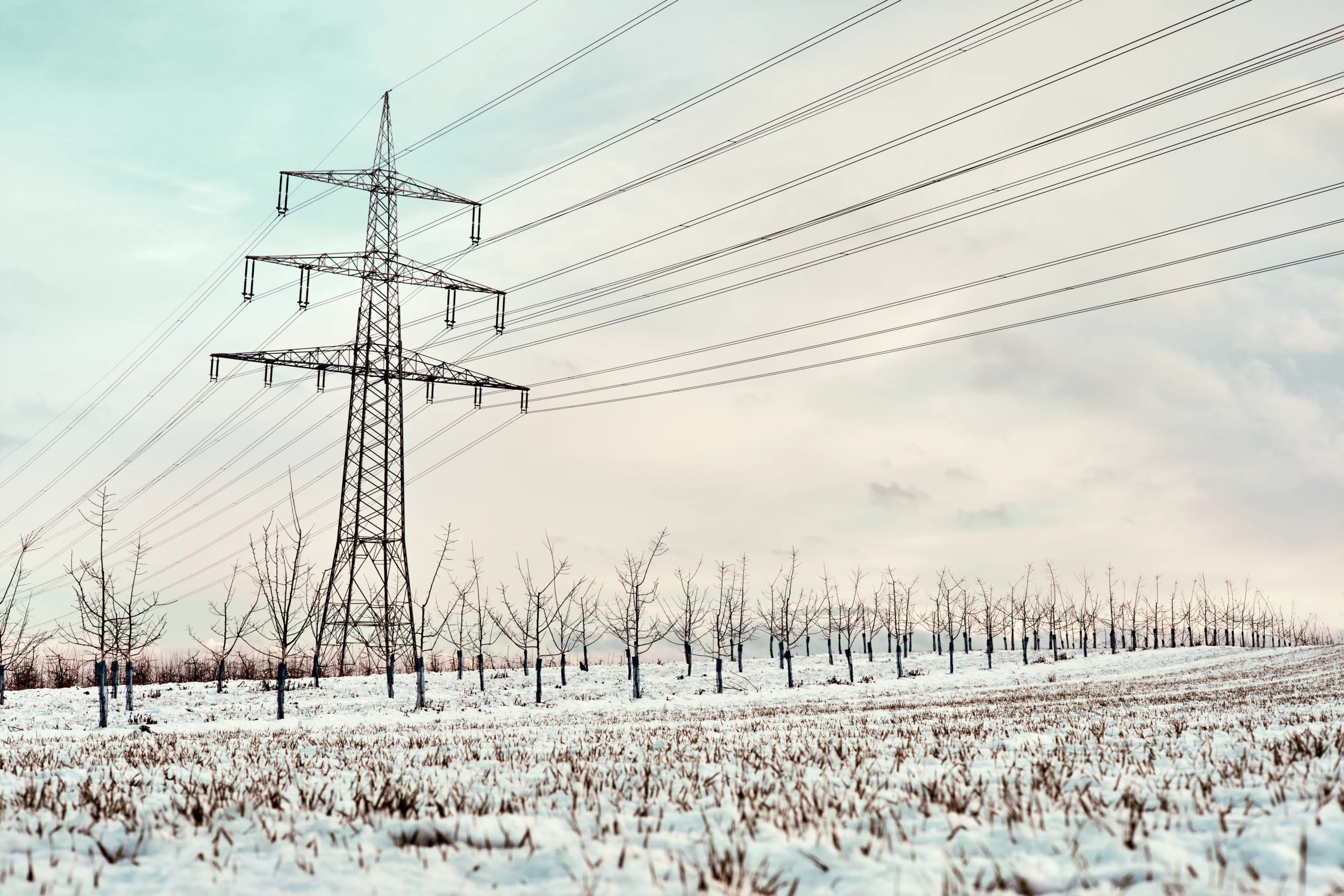
With winter and colder weather coming, there will start to be increasing risks for traditional, municipal water systems. Snowstorms, heavy rainfall and power outages increase the likelihood that water systems in homes will be affected. Freezing temperatures can cause pipes to freeze and break, as well as throw off filtration, decreasing efficiency in the systems. When water freezes, it expands. So, when water travels through pipes in freezing weather, those pipes have too much pressure put on them. Not only does this create physical issues for the pipes, but the water inside is at a higher risk of contaminants, making it unsafe to drink and consume. Purified water can be harder to come by with municipal water systems shutting down or malfunctioning.
Decreasing temperatures can also lead to an increase of water usage. Water can power different heating systems, like boilers, which get used more as the months grow colder. Time spent in the house is also increased, as people are less inclined to go outdoors in the wintertime. Rural homeowners may have to deal with freezing of septic tanks and well water systems.
This survival checklist will provide an overview of what is important to prioritize and have at the ready when power fails. Whether you live or rent, in a house or apartment, there are ways to feel secure about the drinking water that you have access to year-round.
Winterizing Your Home
One thing that can help prevent these water issues and combat winter risks is winterizing your water systems at home. Investing in water filter systems can be a great backup plan when traditional systems are affected by the cold. It’s extremely important to have emergency drinking water on hand for any storms or power outages that occur. Insulating pipes and allowing water to drip can prevent stilling and freezing of water and prevent big bursts or breaks in pipes. Making sure to drain any outdoor pipes and turn off outdoor water sources can also aid in this process. The CDC recommends storing and monitoring water to make sure you have another option on hand.
Types of Water Purification Systems
It’s important to realize that there isn’t just one sure method that will help prevent all disasters this winter. Making sure to winterize and also install a water filter system can help with backup plans before it’s too late. Filtration of water is a process where harmful germs and chemicals are removed.
Before figuring out what kind of water system would be best for your home, it’s important to understand where the water is coming from in the first place. Public water systems provide most of the water to homes in the United States. Water from the tap can come from surface water, rainfall and groundwater and then is run through a purification system to ensure that it is safe to drink. Having a long-term along with a portable option can be a great way to make sure that you are ready for anything.
- Undercounter Water Filter
One of the main ways that you can make sure that you have access to emergency drinking water is through undercounter water filtration systems. The Coldstream Max Undercounter Water Purification System and Filter is a great example of one of these. The installation is a quick and easy process and can provide purified drinking water on the same day. Water filters help treat against different viruses and bacteria that can be found in water, especially when a pipe is burst or malfunctioning. There is a ceramic and carbon rod found in the filter that removes contaminants. This system is good for a larger house with a bigger daily water usage. The filter can improve overall water taste as well.
- Countertop Water Filter
Similar to the undercounter water filter, countertop water filters can help provide drinking water to households. The Coldstream Stainless Steel Countertop Water Filter System attaches easily to the faucet and filters any bacteria or heavy metals that may be inside the water. The countertop option is a more portable option than the undercounter filter and can be easier to travel with, making it possibly more suitable for renters. When the tap is switched on, water will run through the filter providing potable drinking water. This filter doesn’t rely on electricity so it can be a great on-the-go option.
- Water Purification Tablets
While having emergency preparedness water systems already installed is a great way to stay ready, having water purification tablets like Aquatabs can be a quick and easy but short-term way to have drinkable water. One tablet is good for up to four gallons of water and once dissolved in the water for thirty minutes, the water is good to drink. Power outages are important to anticipate, especially when they can debilitate or stop filters from working. Water purification tablets are a great emergency backup plan for when winter storms get too strong. The tablets also have a long shelf life, making them a good resource to just keep on hand and stock up on.

How to Purify Water
- Find what product works best for you.
The first step in learning how to purify water at home, is understanding which of the purification systems works best for you and your household. A tap water filter may be best for those who live in an apartment or rent out their house, because it is a less permanent option than an undercounter filter. If you want short-term emergency safety, water purification tablets can be convenient and affordable. Make sure to look into your home’s water usage, space and the kind of weather in your area to figure out what would work best for you.
- Installing and setting up your system.
After choosing the method that you would like to use, it is time to install. For tap water filters, all you need to do is attach the system to the faucet, and let it run for a few minutes to activate it. For undercounter systems, you can attach underneath using any provided tubing and adaptors. For Aquatabs, you can purify up to four gallons of water with one tablet, waiting thirty minutes for it to fully dissolve.
- Maintaining and storing safely.
All water purifications systems need upkeep and maintenance to make sure that they are functioning properly. If stocking up on purified water, make sure that it is in food-grade containers and stored in a cool and dark location. Tap water filters or undercounter filters may also need to be replaced every six to twelve months to ensure that everything is functioning properly.
Preparing Ahead of Time
In the next few months of unpredictable weather and storms, the best thing that you can do is have a plan. Checking and making sure that you have a good emergency kit before the bad weather hits will ensure safety and better peace of mind. Knowing your household is ready and equipped for a storm takes a lot of pressure off you as it starts to get colder outside. Making sure to not only include water purification methods but also a flashlight, batteries, blankets and non-perishable food is important. Preparing for the colder months isn’t just about comfort, it’s about safety for yourself and others.

Related Posts

Feb. 20, 2026
Heart Health for High-Performers: Why Your Next Adventure is a Lifesaver

Feb. 18, 2026
Black Inventors in Water Sanitation: Celebrating Innovation During Black History Month
Feb. 03, 2026
The Anatomy of an Experience: Scaling Adventure from Box to Battlefield
Jan. 13, 2026
The “Fill-and-Forget” Strategy: Why Every Go-Bag Needs a Collapsible 2.5 Gallon Water Bag Solution
Dec. 12, 2025